
Sunscreen Science: How It Works & Why Reapplying Matters
Mar 21, 2025
You've heard it a thousand times: wear sunscreen. But how does sunscreen actually work? And why does it wear off — even when you're not swimming? Understanding the science behind SPF can help you protect your skin more effectively every day. Here's what you need to know about mineral sunscreen, SPF ratings, and why reapplying isn't optional.
Sunscreen is more than just a beach essential—it’s a scientifically formulated shield that protects your skin from the sun’s harmful rays. But how does it work, and why is reapplying so important? Let’s break down the technical aspects of sunscreen so you can stay protected all day long.
How Sunscreen Works: The Basics
Sunscreen functions by either absorbing, reflecting, or scattering ultraviolet (UV) radiation. There are two main types:
1. Mineral (Physical) Sunscreens
- Contain active ingredients like non-nano zinc oxide or titanium dioxide.
- Work immediately by sitting on top of the skin and reflecting UV rays.
- Ideal for sensitive skin since they’re less likely to cause irritation.
2. Chemical Sunscreens
- Use active ingredients like oxybenzone or avobenzone to absorb UV radiation and convert it into heat, which is released from the skin.
- Require about 15-30 minutes to activate after application.
- Often preferred for lightweight, invisible formulas.
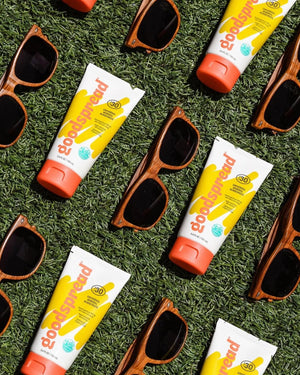
Goodspread’s Universal Mineral Sunscreen uses non-nano zinc oxide, providing immediate and reef-safe sun protection.
SPF: What It Really Means
SPF, or Sun Protection Factor, measures how well a sunscreen protects against UVB rays (the ones that cause sunburn).
For example:
- SPF 30 blocks about 96% of UVB rays.
- SPF 50 blocks about 98% of UVB rays.
No sunscreen can block 100% of UV rays, which is why applying and reapplying correctly is key.
Goodspread offers both SPF 30 and SPF 50 mineral sunscreen, both formulated with non-nano zinc oxide for immediate, broad-spectrum protection that's reef-safe and fragrance-free. Shop both options at goodspreadsuncare.com/collections/universal-sun-care.
How and When to Apply Sunscreen
Applying sunscreen correctly makes all the difference. Follow these steps for maximum protection:
1. Use Enough Product
Most people apply too little sunscreen, reducing its effectiveness. Dermatologists recommend:
- Face & Neck: About ½ teaspoon
- Body: About 1 ounce (a shot glass worth)
2. Apply at the Right Time
- Mineral sunscreen: Works immediately after application.
- Chemical sunscreen: Needs 15-30 minutes to absorb before sun exposure.
3. Reapply, Reapply, Reapply
Sunscreen doesn’t last forever! Reapply every two hours—or more often if you’re swimming or sweating. Even water-resistant formulas can wear off after 40-80 minutes in water.
Pro tip: Keep a travel-size sunscreen in your bag for easy reapplication throughout the day.
Why Reapplication is Non-Negotiable
Sunscreen breaks down over time due to:
☀️ Sun exposure
💦 Sweat & water
🧴 Rubbing (clothes, towels, touching your face, etc.)
Even if you don’t feel like you’re burning, UV rays are still damaging your skin. That’s why consistent reapplication is essential—it’s the only way to maintain full protection.
Sunscreen: A Daily Habit for Life
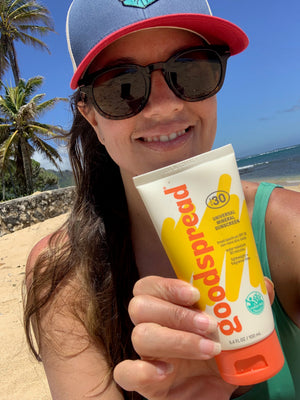
To truly protect your skin, sunscreen should be a daily routine, just like brushing your teeth. Using a high-quality mineral sunscreen, like Goodspread SPF 30 Universal Mineral Sunscreen, ensures broad-spectrum protection that’s safe for you and the environment.
Final Sunscreen Checklist:
✅ Apply generously before sun exposure
✅ Reapply every two hours (or after swimming/sweating)
✅ Use daily—not just on sunny days
Your skin works hard for you—protect it with sunscreen, and spread the goodness every day.
Frequently Asked Questions About Sunscreen
• Does SPF 50 last longer than SPF 30? No — SPF measures protection strength, not duration. Both need to be reapplied every two hours.
• Can I use last year's sunscreen? Check the expiration date. Sunscreen ingredients degrade over time and may not provide full protection.
• Is mineral sunscreen safe for babies? Yes — mineral sunscreen with zinc oxide is generally considered the safest option for infants and young children.
• Does sunscreen prevent tanning? Sunscreen reduces UV exposure, which can reduce tanning — but no sunscreen blocks 100% of UV rays.
• What does broad spectrum mean? It means the sunscreen protects against both UVA rays (aging) and UVB rays (burning). Always look for broad spectrum on the label.